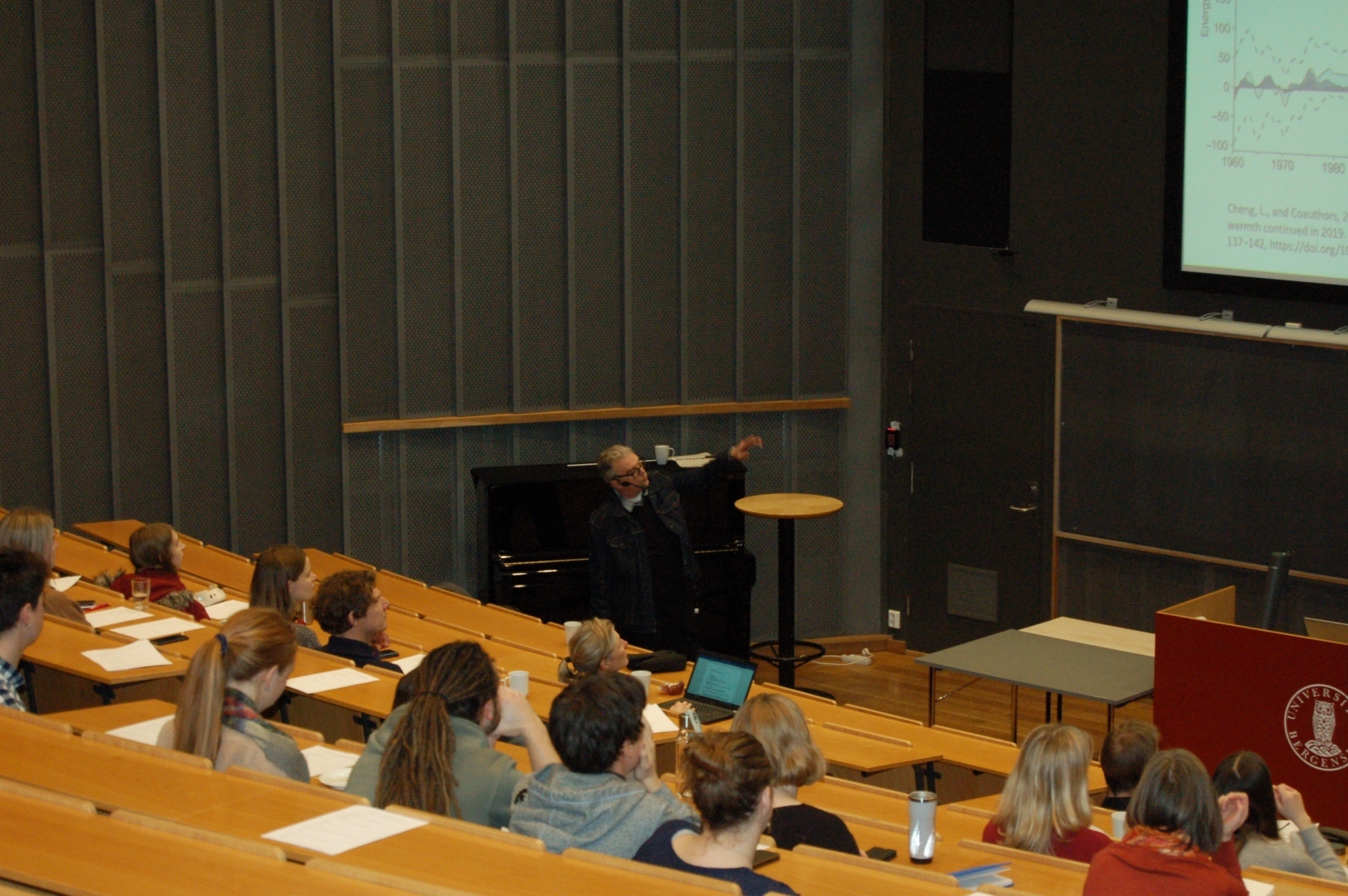
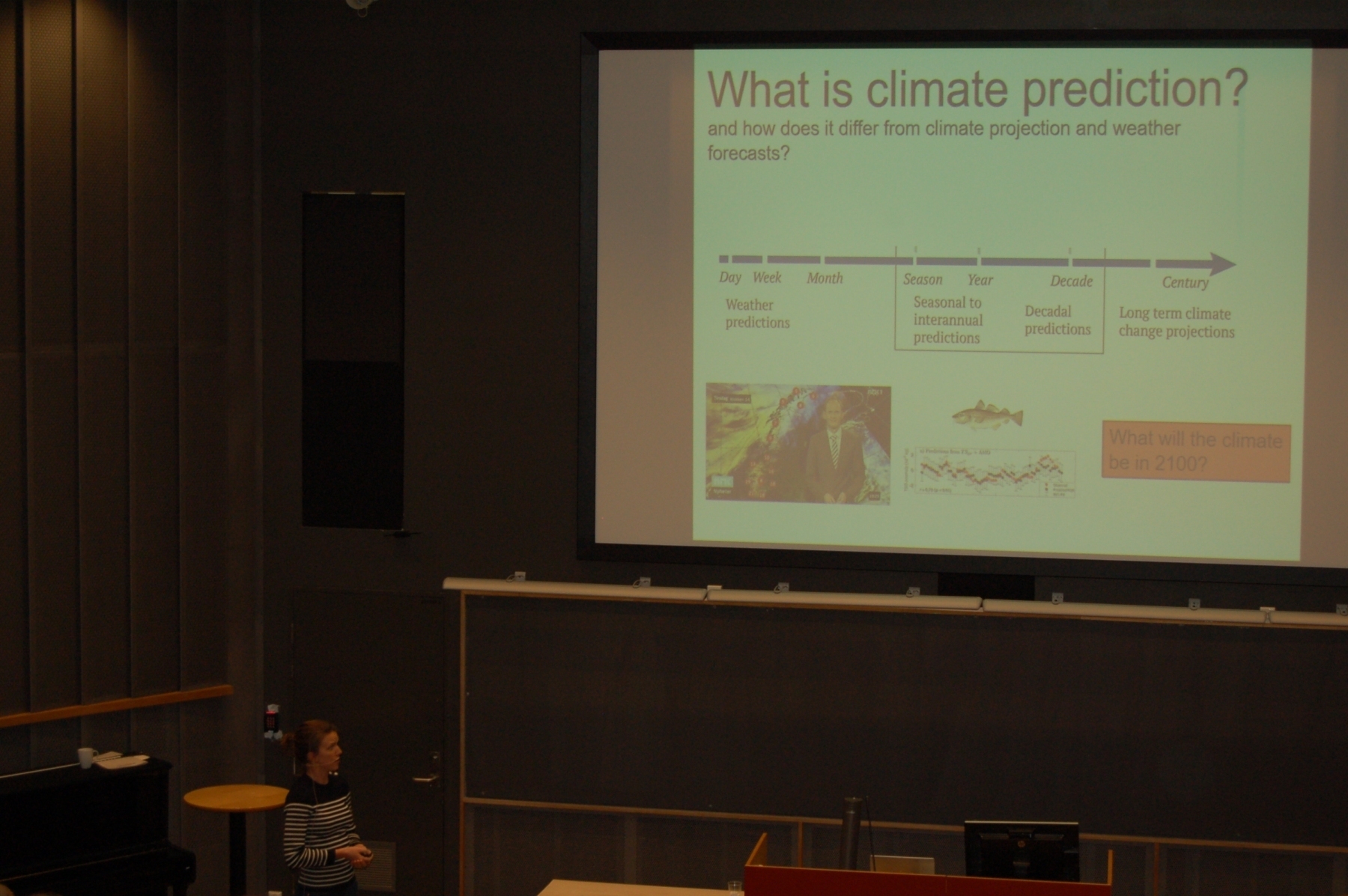
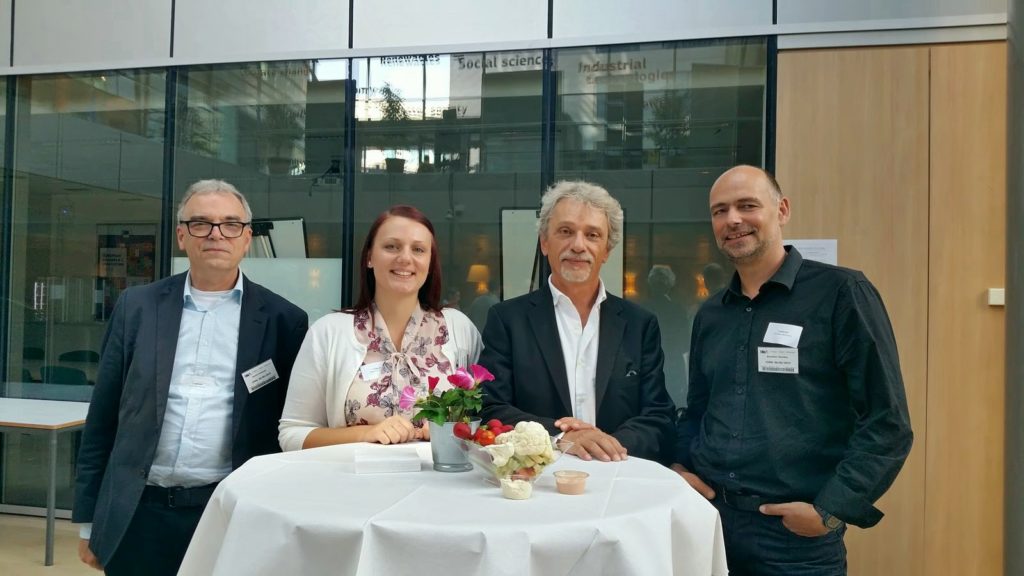
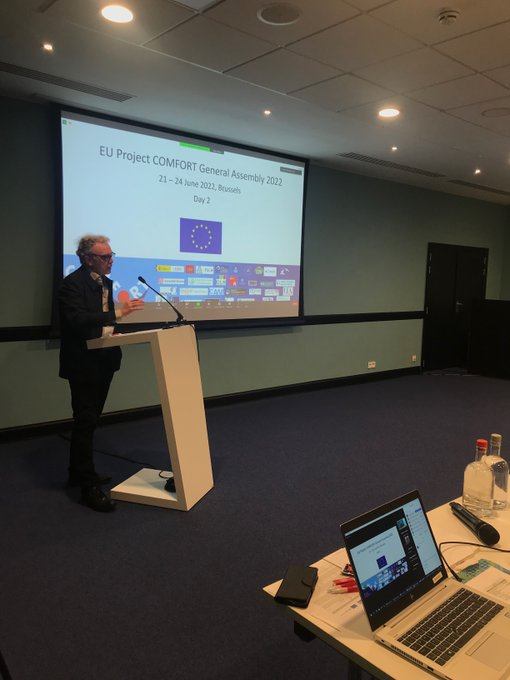
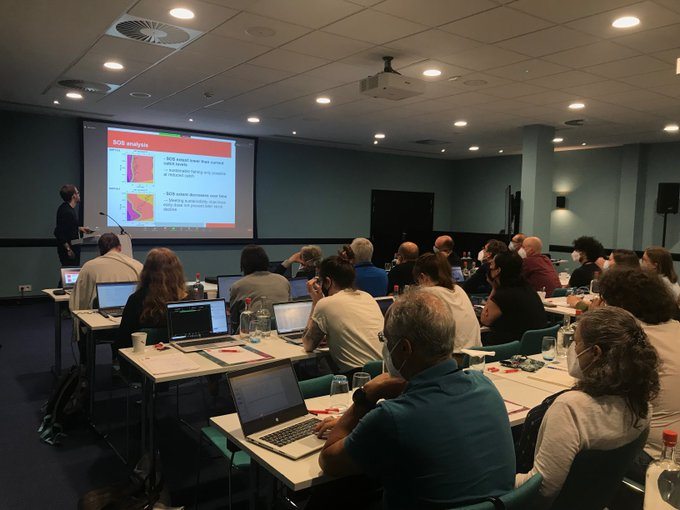
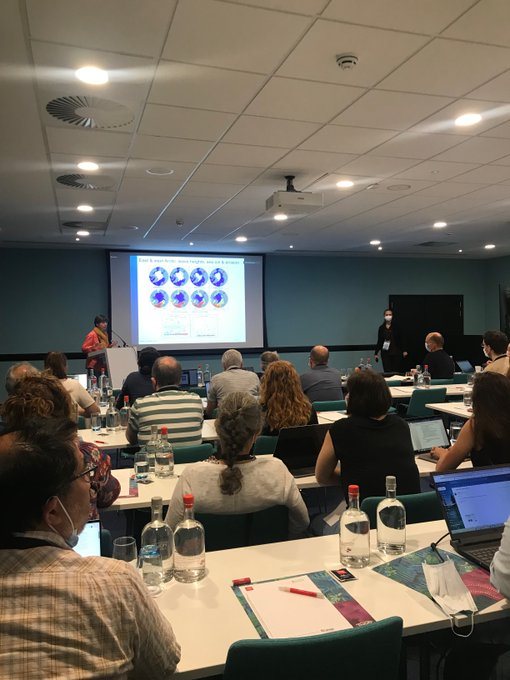
The EU-COMFORT project has successfully organized the last General Assembly, held in Bergen at Thon Hotel Rosenkrantzgaten on the 09th May to 12nd May 2023. The assembly was a hybrid conference gathered 43 attendees present on site and 41 participants have joined online. The first day was mostly covered by scientific presentations primarily about four-year reviews of the first three Core Theme (CT1-3) research outcomes (Link1). On the second day, the keynote speaker and the management Core Theme (CT4) presented their summaries and updates prior to the project’s conclusion. The third and fourth days primarily focused on breakout sessions among work packages and discussion on synthesis paper between Core Themes. The General Assembly’s agenda included poster session, Early Career Scientist presentations, and a productive gender inclusivity discussion.
Presentations were recorded and now available on the following link Video. Moreover, all presentations from participants, posters, and notes are made available on our official COMFORT Website.
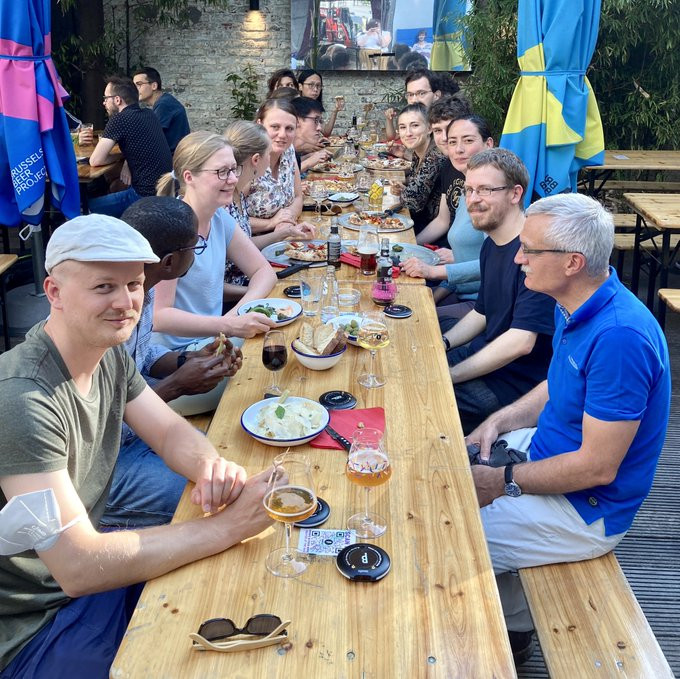
Since this was the final conference of the project, a few special and beautiful moments happened, which you can relive by clicking on the following link Video1, Video2. Find all pictures here: Photos



 TiPES, COMFORT, TiPACCs projects have received funding from the European Union’s Horizon 2020 research and innovation programme LC-CLA-08-2018: Addressing knowledge gaps in climate science, in support of IPCC reports under grant agreement No. 820970 (TiPES), 820989 (COMFORT), 820575 (TiPACCs). The work reflects only the author’s/authors’ view; the European Commission and its executive agency are not responsible for any use that may be made of the information the work contains.

 The general assembly and annual meeting of the EU H2020 project COMFORT on ocean tipping points was held digitally. The plenary meeting took place during 2-3 September 2020 through Zoom with always 80-90 active participants online, including attendees from Europe, Australia, Fiji, India, Japan, South Africa, US west coast and Hawaii in parallel. The plenary agenda included a suite of science highlights from the various work packages and from early career scientists, a poster session, a session with the stake holder reference group, a discussion with the international advisory board, and recommendations from our EU adviser especially concerning tackling the present crisis in the project flow. Elisabeth Holland from Fiji/USP reported about the situation with respect to climate change for island states and took us out of our ivory tower into the real-world challenges. Beth Fulton from Tasmania/CSIRO held a fabulous special lecture on ecosystem modelling and environmental thresholds. The project is still largely on track in spite of the challenging situation in the ongoing crisis. This is due to a consortium of highly motivated and skilled professional participants. We received an overwhelmingly positive feedback from the participants after the meeting. In the plenary, we focused on scientific presentations and discussions. Work package break out group meetings, governance panel meetings, and project management briefings had been held over the summer in smaller groups and the results had been made available through presentation-files to all before the plenary meeting. This worked well in practice and we heard from consortium members that they would like a similar format for annual meetings also when we can meet in person again.